Your name. Your email address. Your phone number. Probably your home address. You know you’ve shared this information online, but do you know where it is now? Or who has it?
Your personal information can end up in more places than you realize. You might have given it to a retailer or service provider, an app, a loyalty program, or a website. It can also come from public records or be collected by data brokers.
So, how much information about you is actually out there? And what can you do about it?
What personal information about me is online?
You might be surprised by how much information about you can be found or connected to you online. It could include:
- Your name
- Your phone number
- Your email address
- Your current or previous addresses
- Your usernames and social media profiles
- Photos and other information you’ve posted publicly
- Information from public records
- Details associated with purchases, memberships or accounts
- Information collected and shared by data brokers.
That doesn’t mean all of this information is publicly visible. And finding your information online doesn’t mean someone has stolen your identity.
But personal information can become more revealing when different pieces of it are connected. Your phone number might be linked to your name. Your name might be linked to your address. Your email address might be connected to accounts you’ve created over the years. Put enough pieces together and they can create a much bigger picture of you.
How does my personal information get online?
You don’t have to share your personal information publicly for it to end up online. Think about all the times you’ve been asked for your name, phone number, or email address. You might give them to a business when you:
- Buy something online
- Make a hotel or restaurant booking
- Sign up for a loyalty program
- Create an account
- Download an app
- Enter a competition
- Request a quote
- Subscribe to a newsletter
- Use an online service.
Most of the time, there’s a good reason for providing this information to the business requesting it. A retailer needs your email address to send your order confirmation. A hotel needs your contact details for your booking. An app needs information to set up your account.
The problem is that your information can stay with those organizations long after you’ve forgotten about sharing it.
It can also be collected from other sources.
What is a digital footprint?
Your digital footprint is the trail of information your online activities create. Sometimes it’s called your digital exhaust.
Your digital footprint includes things you deliberately share, such as social media posts, photos, comments, and online profiles. It can also include information collected when you use websites, apps, and other digital services.
So, your digital footprint is more than what appears when you Google yourself. Some of the information connected to your digital footprint may be public. Other information may be held privately by companies or shared between organizations.
The more places you use online, the more information can become associated with you.
Who has my personal information?
It depends on what information you’re talking about and where it came from.
Businesses you deal with may have your contact details, account information, and purchase history. Your bank might have your email, phone number, address, and transaction history. A retailer might have your email address and details of what you’ve bought. A loyalty program might have information about your shopping habits. Social media companies may have information from your profile and your activity on their platforms.
And then there are data brokers.
What are data brokers?
Data brokers are companies that collect information about people from different sources and combine it into profiles. The information can come from public records, websites, commercial sources, and other data.
These profiles may then be sold or licensed to other organizations for purposes such as advertising, marketing and analytics.
So, while you might remember giving your email address to one retailer, you may not know where else that information has ended up.
How can I find out what information about me is online?
You can do a few simple searches yourself:
Search for your name
Start with your full name. If you have a common name, add your city or another detail that helps narrow the results.
See what comes up. You might find old social media profiles, websites you’ve forgotten about, public records, or other information connected to your name.
Search for your phone number
Try searching your phone number online, including with and without spaces and your country code.
You may find it listed on websites, business directories, social media profiles, or other public sources. You might also discover old listings or accounts you had forgotten about.
It’s worth checking whether your phone number is connected to other information, such as your name, address, or social media profiles. Seeing those details together can give you a better idea of how much someone could learn about you from your phone number alone.
You can also check whether your phone number has appeared in a known data breach. Some privacy and security services can search breach databases for phone numbers, although the information available varies between services.
Search for your email address
Your email address can tell you quite a bit about your online history.
Search for it and see where it appears. You might find old accounts, public profiles or websites where you’ve used it.
You can also check whether your email address has appeared in a known data breach using a service such as Have I Been Pwned. This service is available to people worldwide.
Check your old accounts
How many online accounts have you created over the years? Probably more than you remember.
Old shopping accounts, social media profiles, forums, and subscriptions can all contain personal information.
If you don’t use an account anymore, think about closing it or removing information you no longer need to share.
Search data broker and people-search sites
You can also search for yourself on people-search and data broker websites. You may find your name, address, phone number, or other information listed there.
Some data brokers provide ways to request removal, but the process varies. Removing information from one site also doesn’t necessarily remove it everywhere.
Check for data breaches
A data breach happens when an unauthorized person gains access to information held by an organization.
Depending on the breach, that information could include email addresses, passwords, phone numbers, credit card details, driver license number and SSN, and other personal information.
Finding out that your information has appeared in a breach doesn’t necessarily mean someone has used it. But it tells you that information you gave an organization has been exposed.
Get an exposure scan
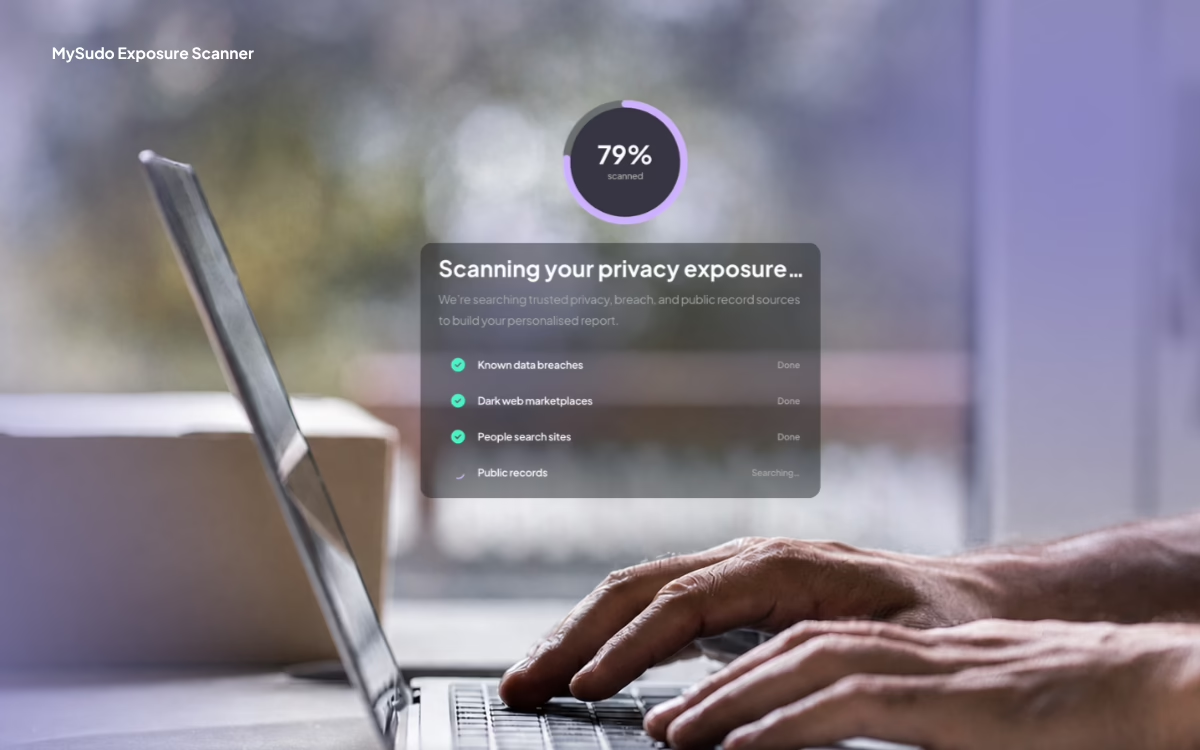
If you want a quicker way to see how exposed your personal information is, you can use the free exposure scanner in MySudo.
The scanner checks your phone number and email address against publicly available information and known breach databases. It then gives you an exposure level showing your current privacy risk.
See how exposed your personal data is with MySudo.
Can I remove my personal information from the internet?
Sometimes.
You can delete information from accounts you control, close old accounts, and review your privacy settings. Some websites and data brokers also let you request removal of your personal information.
But removing information from one place doesn’t mean it’s gone everywhere. The same information may have been copied or collected from another source. A data broker may also collect new information about you over time.
That’s why reducing your online exposure isn’t just about removing information that’s already out there. It’s also about thinking about what you share from now on.
Do I have a legal right to remove my personal information?
In some places, privacy laws give you rights to request that businesses delete or stop using your personal information.
What you can request, who you can request it from, and when they have to comply depends on where you live and the type of information involved.
For example, California residents benefit from powerful privacy rights through both the California Consumer Privacy Act (CCPA) and the California Delete Act (Senate Bill 362). Under the CCPA, eligible people can request that businesses delete any personal information collected about them, subject to certain exceptions. Complementing this, the California Delete Act established a centralized “one-stop shop” mechanism known as the Delete Request and Opt-Out Platform (DROP), operated by the California Privacy Protection Agency (CalPrivacy). Through DROP, consumers can submit a single, streamlined deletion request that legally compels all registered data brokers operating in the state to wipe their data simultaneously, eliminating the need to contact hundreds of individual companies manually.
In the UK, the UK GDPR gives people a right to request erasure of their personal data in certain circumstances, although there are exceptions. In Australia, the Privacy Act requires covered organizations to take reasonable steps to destroy or de-identify personal information they no longer need, and Australians can also request access to and correction of their personal information. Other countries and regions have their own privacy laws and rights.
So, if you find your personal information online, check what privacy rights apply where you live. You may have more options for requesting its removal than you realize.
How can I reduce the amount of personal information I share online?
You don’t need to stop using online services to share less personal information.
A few simple changes can help:
- Review what you’ve made public on social media.
- Close accounts you no longer use.
- Check what information a service asks for before you sign up.
- Don’t provide your personal phone number or email address when you don’t need to.
- Use strong, unique passwords for important accounts.
- Be careful about links and messages asking for personal information.
- Consider using different contact details for different parts of your online life.
That last one can make a bigger difference than you might think.
Think about all the places you use your personal phone number and email address. Shopping. Travel. Food delivery. Rideshare. Online selling. Newsletters. Apps.
Do all of those services really need your personal contact details?
Can I use a different phone number and email address online?
Yes. Using alternative contact details means you don’t have to give your personal phone number and email address to every service you use online and in your everyday life.
Sudos are a handy tool for this.
Sudos are alternative digital identities in MySudo privacy app. Each Sudo can have its own phone number, email address, virtual card, handle, and private browser. The idea is to give your alternative personal details so you don’t have to expose you own.
You can create up to nine Sudos and use them for different parts of your life, like shopping, travel bookings, dating, selling online, and even activities like volunteering, for example. Use them how you live.
Sudos don’t remove information that’s already online, but they reduce how often you share your personal contact details in the future.
Download MySudo mobile edition. Got it? Get the desktop edition.
FAQs
How do I know if my personal information has been leaked?
Check whether your email address or phone number has appeared in a known data breach. You can also search for your information online and check old accounts and data broker sites. A breach doesn’t necessarily mean someone has used your information, but it means information held by an organization was exposed.
Can someone find my address from my phone number?
Sometimes. Depending on what information is publicly available, a phone number may be connected to a name, address, or other personal information. Data brokers and people-search sites may also combine information from different sources.
Does deleting my social media account remove my information from the internet?
Not necessarily. Deleting an account removes information from that particular service, but copies may exist elsewhere. Other websites may also have collected or published information about you.
Can I delete my digital footprint?
You can reduce your digital footprint, but you generally can’t remove every trace of your online activity. You can close old accounts, delete information you control, review privacy settings, and limit the personal information you share. Some websites and data brokers also provide ways to request removal.
Why is my personal information still online after I’ve deleted it?
Deleting information from one account or website doesn’t necessarily remove copies held elsewhere. Other websites, data brokers, or search engines may still have the information, and some services may collect new information over time.
What is the difference between a digital footprint and personal information?
Personal information is information that relates to you, such as your name, phone number, or email address. Your digital footprint is the broader trail of information created by your online activities. It can include personal information as well as information about what you do, view, post, or interact with online.
Does having my information online mean my identity has been stolen?
No. Having personal information online doesn’t mean your identity has been stolen. Identity theft involves someone using your personal information without your permission, often to impersonate you or commit fraud. But exposed information can be useful to scammers, particularly when different pieces of information can be combined.
Download MySudo today.
You might also like:
What is a Sudo? Your alternative identity for online shopping, signups, and privacy
Do you really need to give out your personal information? Here’s when you don’t